Making It Possible #2 – Kate Truss
The first moments of our ALS journey felt like a sudden disruption to a quiet life, changing everything in ways we never expected. Diagnosed with Bulbar onset ALS in November 2024, my husband Kevin lived with ALS for 18 months. From the beginning through to the end, the ALS Society of Alberta supported us every step of the way.
The Equipment Loan Program and Client Services team were fundamental in making our journey more comfortable. But what truly helped our mental health was the sense of community the ALS Society of Alberta created.
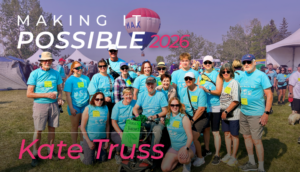
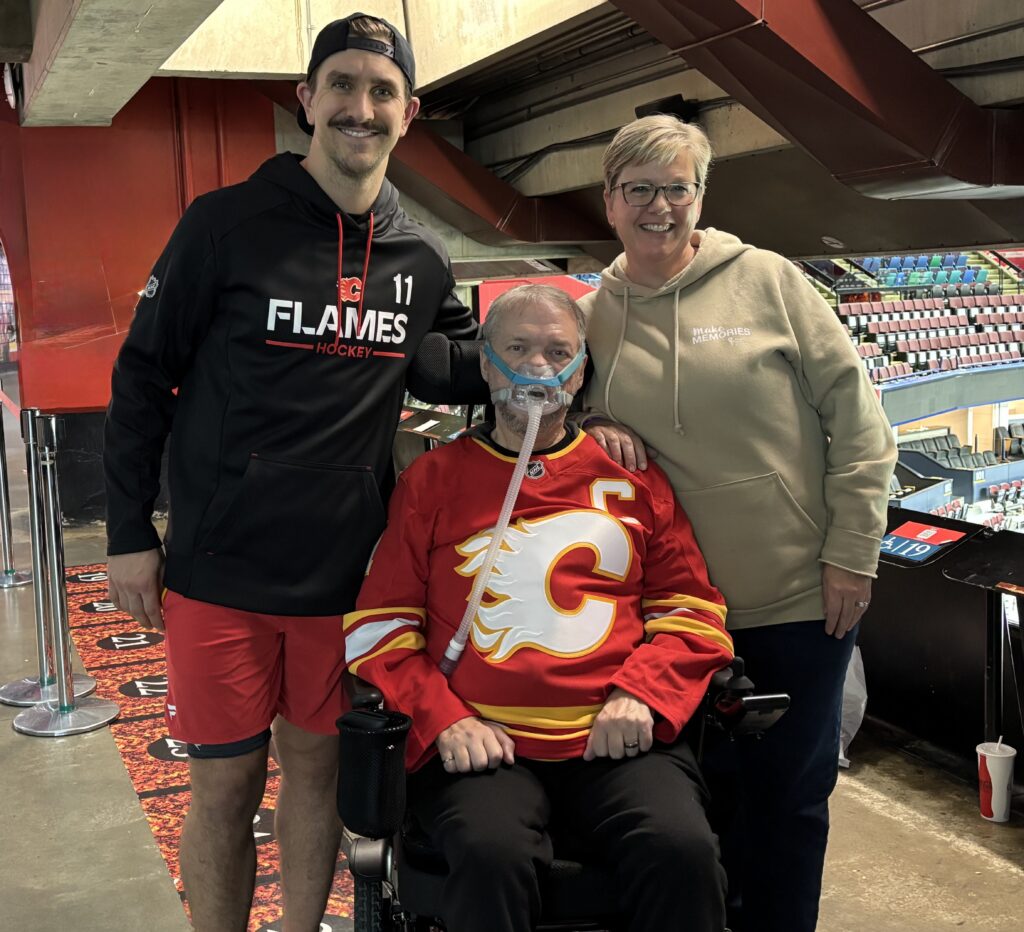
We became involved in many parts of that community—monthly coffee groups (both in-person and online), the Compass for ALS Caregivers program, the Side by Side for ALS Walk, park meetups, gatherings at cSPACE, the Caregivers Book Club, and even NHL games hosted by Mikael Backlund. Each experience introduced us to people who understood what we were going through and helped us feel less alone.
The monthly coffee groups became especially important for Kevin. They gave him a place where he could connect with others living with ALS and feel understood. Even after he lost his ability to speak, he remained part of the conversations about shared experiences, feeding tube discussions, voice cloning, and speech devices. As the disease progressed, those gatherings became even more meaningful, and he always looked forward to them. They had a deeply positive impact on his mental health.
For me, as an ALS caregiver, those early days were overwhelming and intimidating. Alongside the grief, there was so much to learn. Entering the ALS community felt unfamiliar at first, but we were welcomed with kindness and compassion. People listened to our story and shared support that carried us forward.
The monthly coffee groups became especially important for Kevin. They gave him a place where he could connect with others living with ALS and feel understood. Even after he lost his ability to speak, he remained part of the conversations about shared experiences, feeding tube discussions, voice cloning, and speech devices. As the disease progressed, those gatherings became even more meaningful, and he always looked forward to them. They had a deeply positive impact on his mental health.
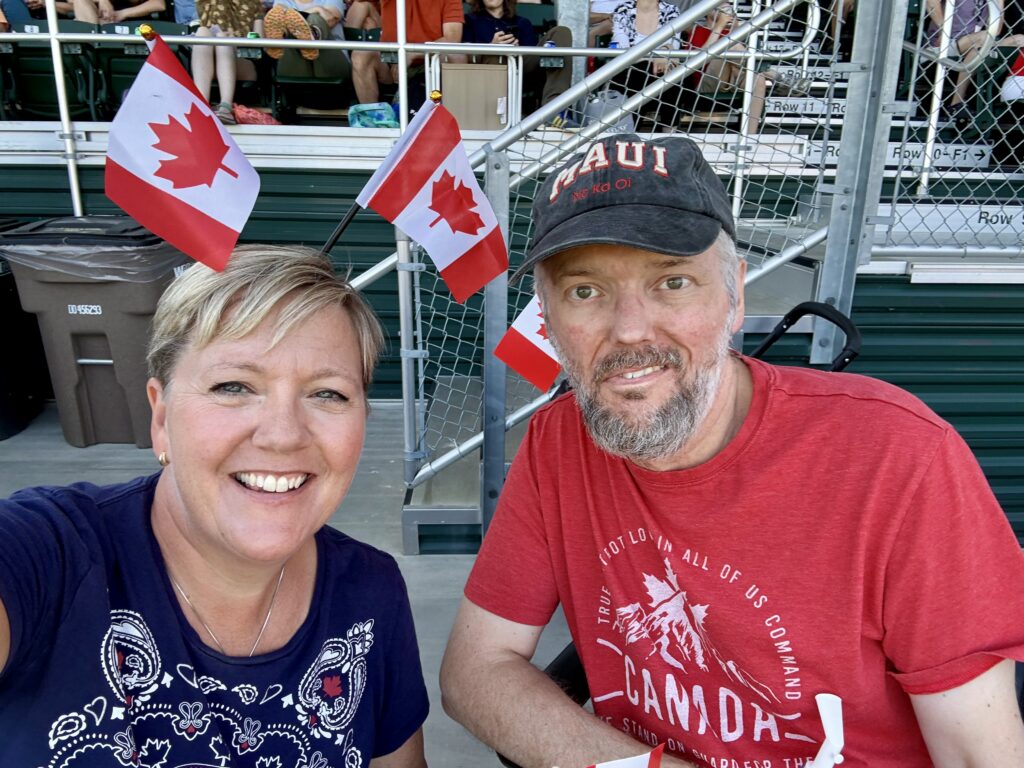
Over time, our role began to change. We were no longer only receiving support—we were able to offer it too. Travel tips, feeding tube advice, symptom management, accessibility—we became the experts no one ever expects or plans to become. I still remember the quiet moment when I shared a tip that helped someone else. It was a small act, but it meant so much to be able to give back to a community that had given us so much.
ALS can be an incredibly isolating and frightening disease, but we were never alone in facing it. Mental health support is essential when navigating ALS, and while the ALS Society of Alberta is not a mental health organization, the sense of connection and community they created was something we could not have found elsewhere.
I will forever be grateful for the community the ALS Society of Alberta has built.